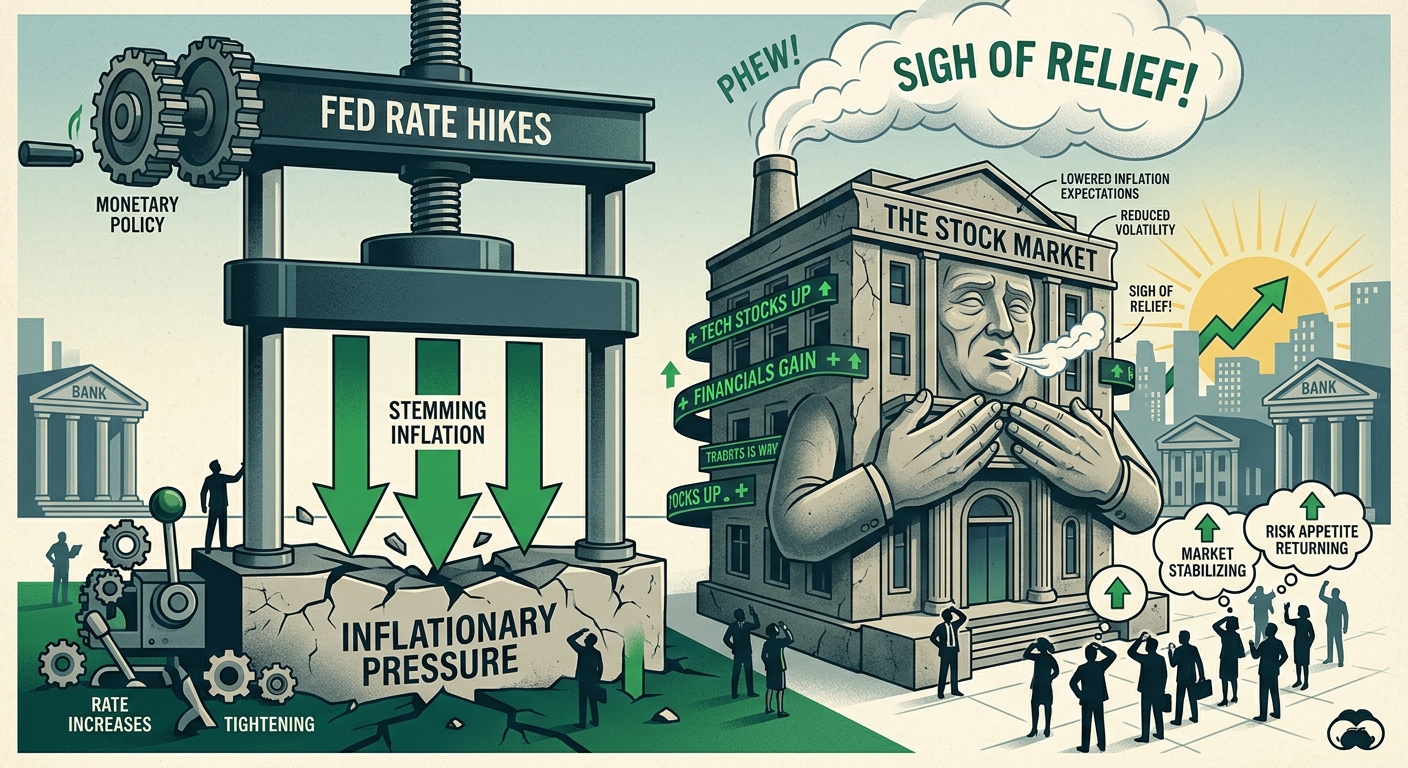
The dysfunctional US government with a 44 day shutdown and a debt to GDP ratio of 120% is a less credible borrower than corporates for AI.


A mountain of debt for AI
The need for more debt in an already heavily indebted society to continue to build more AI infrastructure is turning out to be a problem investors won't be able to shake off. Clearly, AI needs capital and debt and lots of it, judging from the $550Bn in Capex planned for 2026, and possibly at least that amount each year through 2030. We're looking at about $2-3Trillion in the next 5 years in infrastructure funding for land, building, equipment, and electricity for data centers, which would constitute about 65%, leaving 35% for the GPUs itself.
But the government with a debt to GDP ratio of 120% could be less equipped to provide or backstop it, and judging by the equity market reaction to Meta Platforms, Coreweave and Nebius' capex plans, corporates leveraging their balance sheet are also not getting much love.
As we can see from the graph below, corporates have less leverage than the government by a wide, wide margin, at approximately 40% compared to 120% for the government.

The M-7 have started leveraging their balance sheets and the markets have given them rates equal to or better than the government, a tip to political dysfunction, once confined to European countries with terrible fiscal policies. Not that the US was spared earlier when both Fitch (2023) and Moody’s (2025) downgraded U.S. sovereign debt, but the political dysfunction of a 44 day shutdown is going to have its repercussions.

Last week I had written about Uncle Sam backstopping Altman Sam, but I may be putting far too much credibility on a US government that is grappling with massive budget deficits, and political dysfunction, evidenced by a shutdown that lasted 44 days. Besides, the reopening of the government hasn't solved problems - it just kicked the can further down the road,
For the investor, banker and lender there is a strong appeal for especially blue-chip and mega-cap tech firms—that maintain disciplined financial management and clear, profit-driven goals.
After the bailout caused by the Global Financial Crisis (GFC), leverage had shifted from households and corporates to governments, and accelerated during the pandemic. While it’s safer for governments to carry debt (since they can issue currency), dysfunction undermines the credibility of sovereign debt. Investors now face a rare situation: political instability undermines government bonds while corporate balance sheets remain robust. The result: some investors increasingly view firms like Microsoft, Alphabet, and Meta as safer than certain sovereigns. Meta borrowed $30Bn with rates ranging from 4.2% (5 years) to 5.75% (maturing in 2065!) last week signaling a regime shift where corporate credit is perceived as more stable than sovereign bonds amid populist politics. Big tech doesn't have power or enforceability of any kind, but it has credibility and accountability with a stock market that rewards and punishes with equal ferocity.
In my opinion, understanding that the AI race is essentially, at its core a sovereign race, the US will eventually emulate the Chinese model of a public/private partnership and be joined at the hip. Just don't be sure who's in the driver's seat.