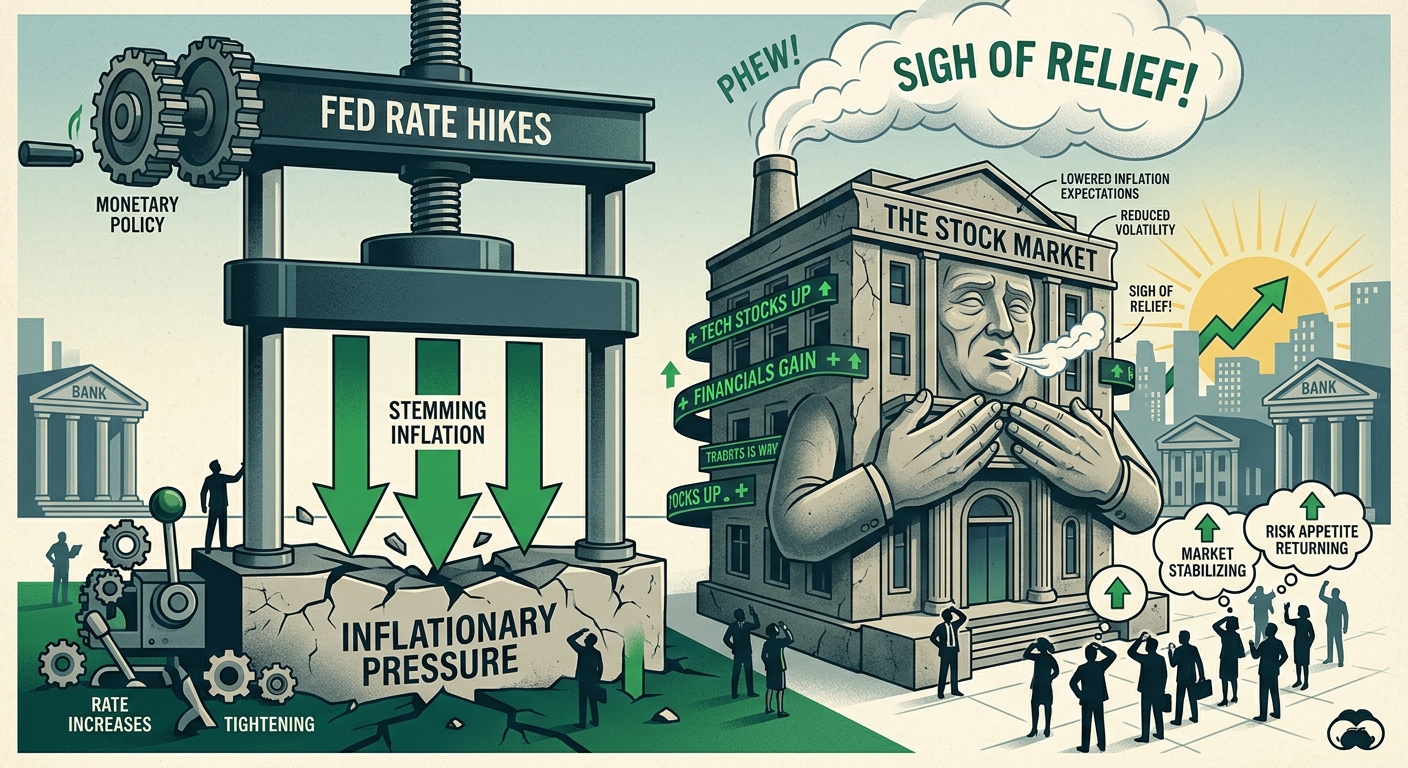
Inflation as measured by the PCE remains stubbornly high, even as job growth slows pointing a staglationary picture of the economy.


Fed officials were prescient and fairly objective in not jumping to slashing interest rates in January as their favored gauge, the PCE (Personal Consumption Expenses) accelerated at the end of last year. The personal-consumption expenditures price index rose 0.4% month over month in December, after rising by a smaller 0.2% in November, according to the Commerce Department.
That works out to a fairly high annual rate of 2.9%, also marginally up from 2.8% in November.
Core PCE inflation, which excludes volatile food and energy prices didn't help either; it ticked up to an annualized 3%, from 2.8% a month earlier. Analyst were right in their estimates this month. Besides, this report is a month behind, because of last fall’s government shutdown.
Still, one can understand the Fed's hesitation about easing interest rates and monetary policy, despite January’s decline in the consumer-price index, which is now at a slightly better 2.4%. The Fed prefers using PCE inflation, not the CPI, as their metric to gauge inflation and unfortunately it's still above its 2% inflation target.
Historically, the PCE gauge tends to run cooler than CPI inflation, but in the past year, the pattern has reversed, because because housing inflation, which has cooled steadily, plays a bigger part in the CPI calculation than in the PCE calculation.
While not impactful for traders, because of the time lag, it still slows down expectations of a rate cut as we await January data next month on March 13. That will be the latest PCE data the Fed will have in hand at its next policy meeting, on March 17-18.
This seems to be a classic case of stagflation with weak jobs growth.
Crucially this report continues to show a divergence as personal income rose by 0.3% in December, not fast enough for consumer spending, which increased by 0.4%.