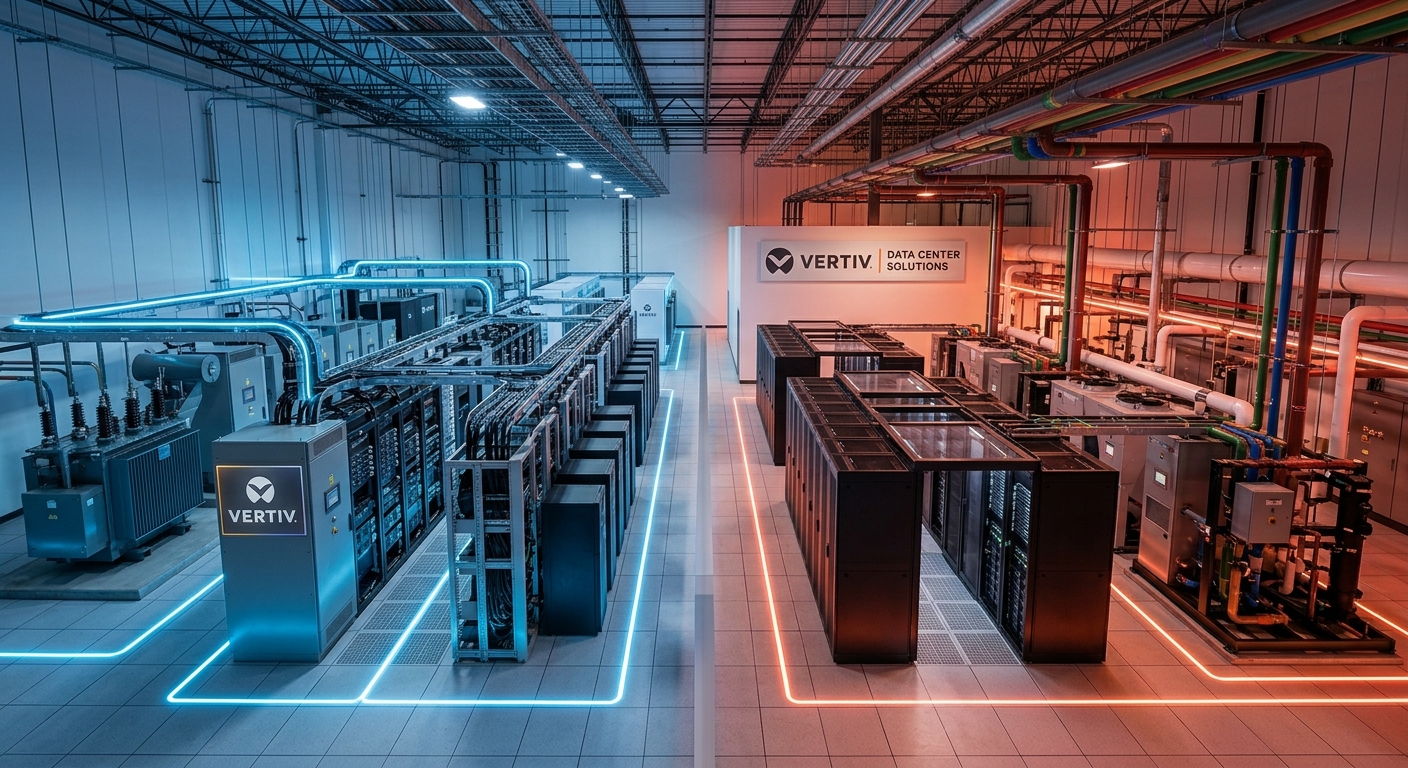
NextEra Energy has the operational scale, heft and capital to fulfill the massive data center power shortage. It has a huge backlog leading to a decade of recurring revenue, earnings and dividend growth ahead.

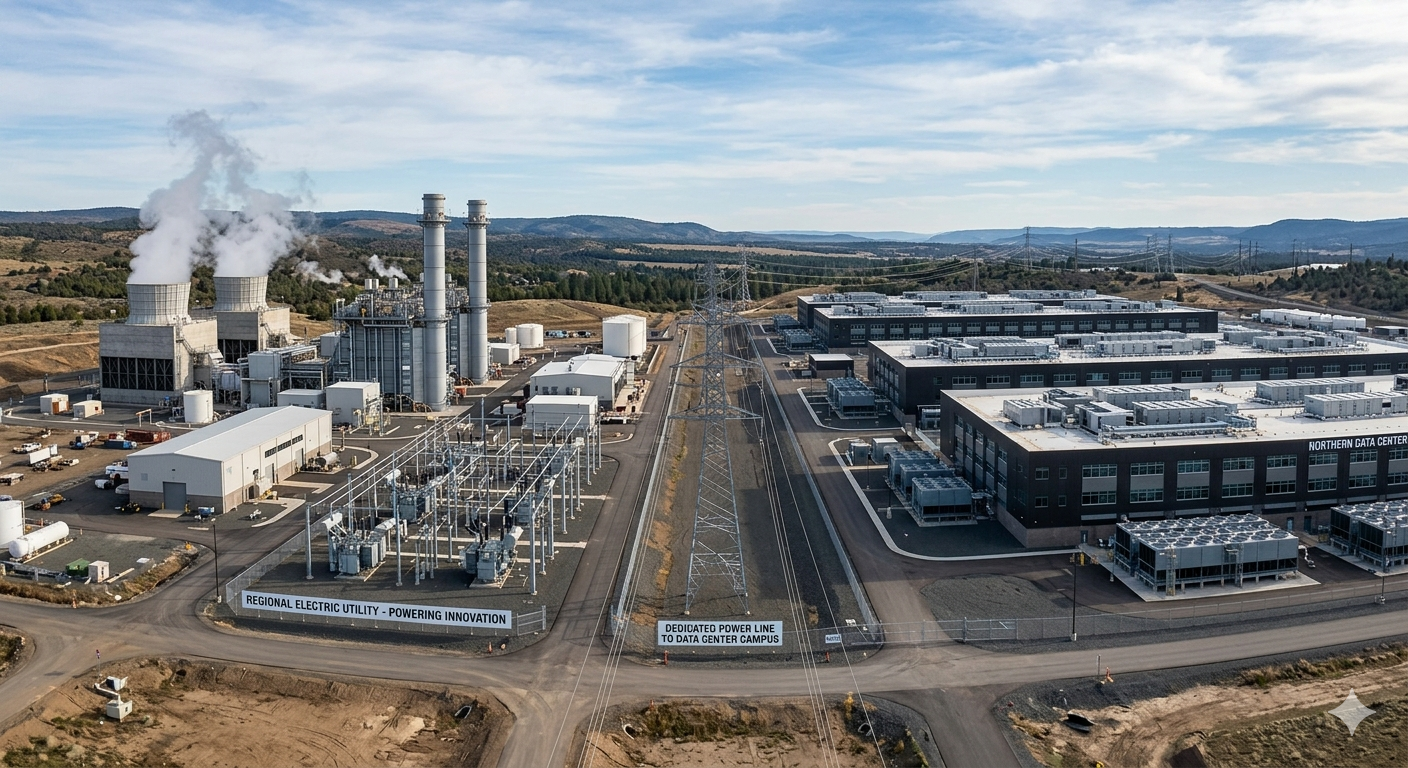
NextEra Energy is a regulated utility with a growing renewable energy segment, which could be a huge beneficiary from data center energy requirements and power buildouts to feed insatiable demand from AI. I also believe that inference demands will be an added catalyst of recurring revenue even as new power capacity starts filling demand in the next two or three years
How is NextEra different from a traditional utility that has a limited scope for growth and stock appreciation?
While 65% of its revenues come from regulated utilities like Florida Power and Light FPL, which has 12Mn customers, It is now pivoting successfully from a regulated utility with two growth strategies to meet burgeoning data center demand from hyperscalers.
This dedicated work stream for data center hubs is to be executed through a mix of new renewables, battery storage and gas generation, with BYOG as its cornerstone.
“Bring your own generation,” or BYOG, gives the hyperscaler freedom from not relying solely on the local grid to supply incremental electricity demand. It allows them to fund and build agnostic dedicated capacity for its own needs, from several sources whether it is gas-fired, solar paired with storage, standalone batteries, or any other power source. Given the overloaded conditions of the current electrical grids, hyperscalers have to build their own behind-the-meter generation with generators as a key part of a behind-the-meter setup. As of Q4-2025, NextEra’s solar and storage segments were taking larger shares of order backlogs than in previous years with 50% from solar and 33% from battery storage, respectively.
Q4-2025 also revealed disproportionate growth in storage revenue because of elevated grid pricing. Essentially NextEra took advantage of receiving capacity payments for storage availability by accumulating when pricing was low, such as during off hours, and then discharging when pricing was elevated. In this case, storage solutions receive capacity payments for the storage to be available even if it doesn’t get dispatched.
Strategically storage would be important for AI inference workloads over the next 1-2 years as they are more variable in seeing peak usage compared to training. This will play to NextEra’s strengths.
The regulated utility business offers 37 GWs of generation, which results in rate-based earnings growth. Although grid pricing is regulated FPL offers a “large-load” special tariff that helps increase delivery speed as hyperscalers bear the cost of the additional build-out.
Management had this to say on the earnings call:
“We believe the tariff strikes the right balance by providing hyperscalers with speed to market at a competitive price while, just as importantly, protecting our existing customers from bearing infrastructure build-out costs needed to support hyperscalers. FPL's speed-to-market advantages, combined with its best-in-class service is creating significant large load interest to the tune of over 20 gigawatts to date. Of that, we are in advanced discussions on about 9 gigawatts, a portion of which we now believe we could begin serving as soon as 2028. For context, every gigawatt is equivalent to roughly $2 billion of CapEx and earns the same return on equity as other FPL investments.”
Nuclear: NextEra’s management also talked up progress on the recommissioning of the Duane Arnold nuclear plant in Iowa, which is committed for 25 years of power supply to Google and is expected to be fully operational by Q1-2029
Guidance reiterated: During the Investor Day in December, management said they expect to develop data center hubs totaling 15 GW to 30 GW by 2035, and they reiterated this guidance during the Q4 earnings call. They have already identified 20 potential hubs and expect to identify 40 by the end of 2026.
2025 - $27.4Bn up 10.7%
2026 - $31.7Bn up 15.8%
2027 - $34.3Bn up 8.1%
These growth rates are significantly higher than the 6% average of the past decade.
2025 $3.71 up 7.5%
2026 $4.01 up 8.2%
2027 $4.37 up 9.2%
2025 to 2035 - 8% CAGR guided by management
The company’s backlog at the end of 2025 is approximately 30 gigawatts, with battery storage leading the charge, at 33% of the backlog.
NextEra is not that cheap at 22x earnings and 6x sales, with a 41% gain already in the past year; but given its formidable strengths as a utility provider with ⅓ of revenue coming from renewables, and a big strategic focus on data centers it deserves a premium - it has the scale and operational strengths to carry it out. I believe it will be a steady performer for the next decade, and I would expect a return of 12-14% from it including dividends, and maybe even some positive surprise from the data center segment.