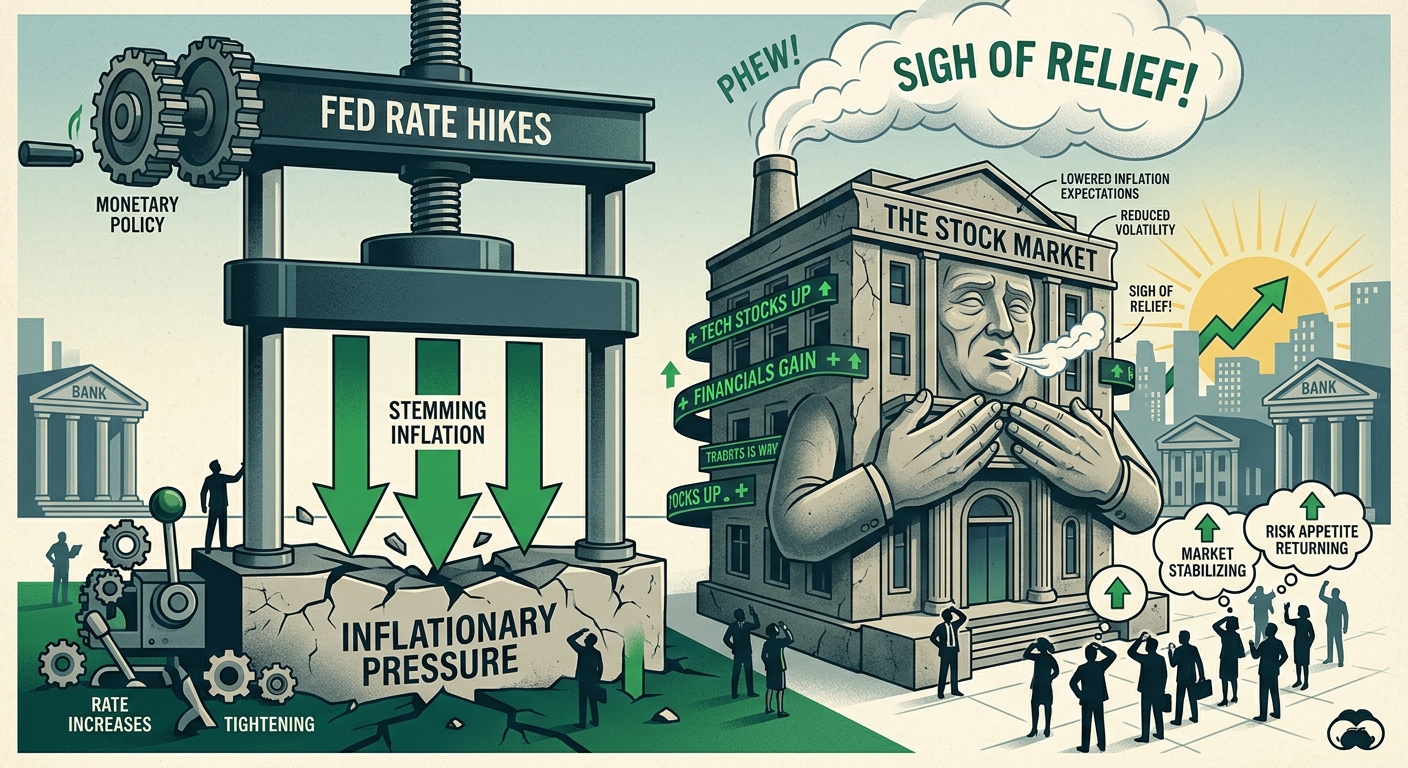
The Feds have to make an insurance rate cut to prevent further job losses among small businesses and prop up weak customers with tight budgets


The Federal Reserve's Beige Book portrayed a slowing economy. The Federal Reserve's Beige Book is a qualitative report based on a collection of anecdotal information gathered through interviews and surveys with business contacts, community organizations, and experts in each Federal Reserve district. It reports on economic conditions across its 12 regional districts and is published eight times a year. The latest edition highlighted weakening labor conditions as a major factor.
I believe the Federal Reserve will cut their overnight Fed Funds rated by 25 basis points at the December 10th FOMC meeting for the following reasons.
A weak job market, with employers showing a reluctance to hire, citing tariff uncertainty, a fear of the consequences of the government shutdown and the chances of another shutdown in 2026. It also showed fear of artificial intelligence rendering some entry level jobs obsolete. According to the Beige Book, The Atlanta Fed said that in its region covering parts of six Southeastern states, many businesses were either cutting staff or only hiring as many people as needed to replace departing workers. In the Cleveland Fed’s district, which covers Ohio and parts of Pennsylvania and Kentucky, some retailers said they reduced staffing because sales had slowed.
ADP job numbers were terrible with 32,000 jobs lost in November, against expectations of 10,000 jobs created. US companies shed payrolls in November by the most since early 2023 and have now fallen four times in the last six months. Companies with fewer than 50 employees shed 120,000 jobs. That’s the largest one-month decline since May 2020. Workers who changed jobs saw a 6.3% increase in pay, the lowest since February 2021. Those who stayed put saw a 4.4% gain Artificial intelligence was making its mark: AI led to booming investments in construction and manufacturing for data center related hiring, but people were let go or for entry level related basic tasks. The Challenger report has a 55,000 net jobs lost.
According to a Challenger job report, US firms announced more than 70,000 job cuts, (24% more YoY) during the month of November for just the third time since 2008. This is a terrible trend, marking the eighth time in 2025 that announced job cuts were higher versus the same month a year ago - indicating that a these are not one time cuts, this suggests a gradual weakening of the economy, which could take the unemployment rate from 4.4% much higher. Challenger calculated 1.171 million cuts through November, about 50% higher YoY. This is an unusually higher number and just the 6th time in the last 35 years, that Jan-November job cuts exceeded 1.1 million. Not surprisingly, the biggest beneficiaries of AI, Telecom and Tech cut the most jobs.
A reluctant consumer not willing to spend. Most reported indicated that spending was from wealthier cohorts at higher-end retailers. On a mass scale, however, spending was subdued because of tighter budgets and prices were big catalyst. Car dealers noted that fewer people were shelling out for electric vehicles after federal tax subsidies expired. The government shutdown took a toll on the economy: The record-long government shutdown hit federal workers’ salaries, and consumption, and indirectly lowered consumption across the board, for cars, retail, entertainment and travel . This will definitely show up in Q4-GDP numbers.
Inflation remained stubborn but easing: According to the Fed Beige Book, manufacturers and retailers blamed higher input costs on tariffs, and their inability to pass some of these costs on to customers. However, according to ISM services report, the index for prices fell to its lowest level since April, falling 4.6% on month, suggesting that inflationary pressures in the sector may be easing.
I believe that the most critical factor affecting the Feds decision will be that the maximum job cuts were the highest among smaller businesses – 120,000 jobs for employers hiring less than 50 people. These employers, and businesses also pay much higher interest rates compared to their larger brethren, plus they have less access to capital.